November 20-21, 2026 – SW Regional Convention & Expo
Charlotte Harbor, Florida • Sunseeker Resort Florida Gulf Coast
Join the American Chiropractic Rehabilitation Board® for our annual conference in Charlotte Harbor, Florida! This year we are working with Florida Chiropractic Association & the American College of Chiropractic Orthopedists (ACCO). Each session offers the option for continuing education credits*, as well as an opportunity to learn, network and inspire. We are excited to host this event for ACRB Doctors to maintain their diplomate status, and to get all of the rehab doctors back together once a year!
As a reminder, ACRB Annual Conference attendance is required every other year to maintain your diplomate status. If you did not attend the 2025 conference, you are required to attend this event in 2026.
As always, please reach out to info@acrb.org with any questions.
*Some state licenses are subject to additional fees or are excluded for continuing education credit. Please contact us for more information.
CONTINUING EDUCATION CREDITS
*AK, AZ, CA, OK and WI are not eligible for CEUs from this event *
A total of 16 Hours will be available from speakers listed below:
Event Cost 2026:
| ACRB Member | $425 |
| Enrolled in Diplomate Program | $425 |
| Student | $150 |
| Non-CE (Drs in AK, AZ, CA, OK, WI) | $200 |
| CPR Certification Add On | + $80 |
2026 Conference Speakers
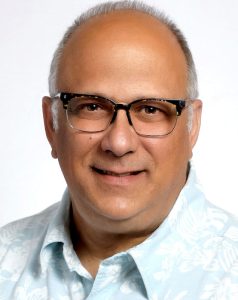
James Demetrious, DC, DABCO
PostGradDC Founder/CEO
The Cervical Artery Dissection Certification
An advanced, 10 CE Hour live postgraduate lecture presents a structured, evidence-informed diagnostic algorithm for the early recognition of cervical artery dissection (CAD). Emphasis is placed on distinguishing benign mechanical neck pain and headache from evolving vascular pathology through careful history, focused neurologic examination, and risk stratification. Participants will refine their clinical reasoning, reduce cognitive bias, and strengthen documentation and referral decision-making to enhance patient safety and medico-legal defensibility.
All attendees who complete the course will be eligible to take the CAD-DDX Certification examination through PostGradDC. The examination fee is $250.00. A link to the examination will be provided to eligible doctors.
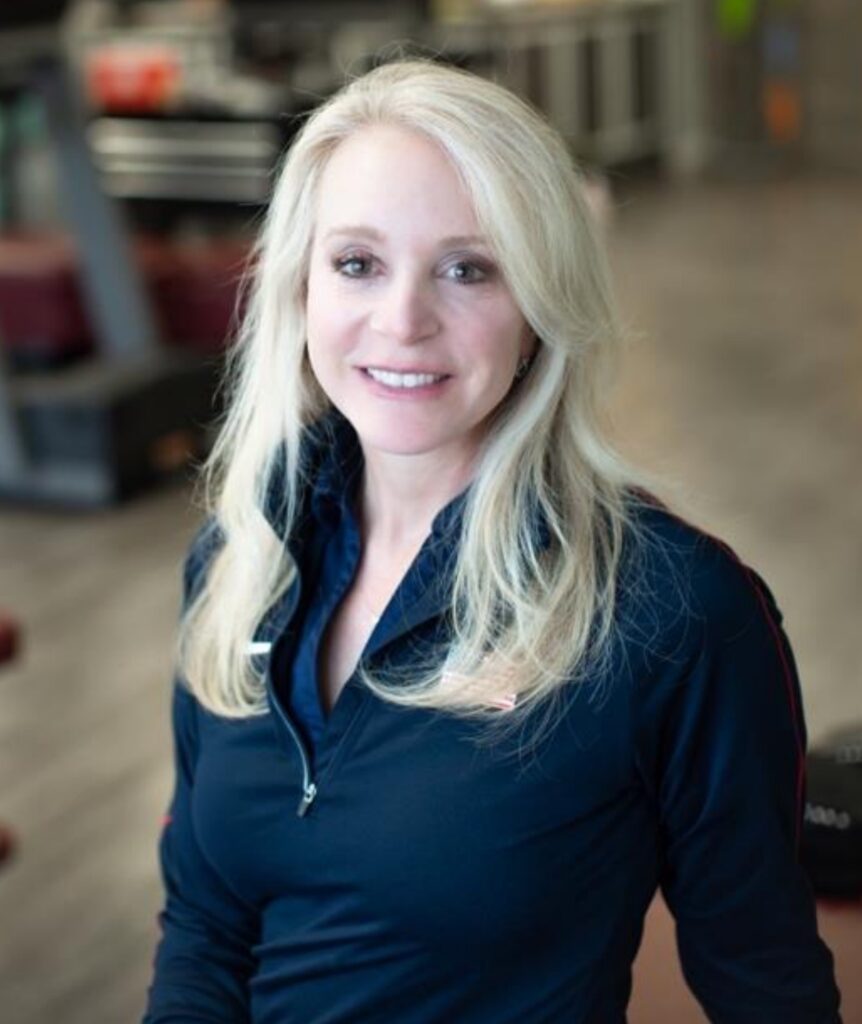
Christine Foss, MD, DC, MS.ED. ATC, DACBSP, DACRB, ICSC
From Pain to Performance: A Systems-Based Approach to Sports Injuries
This course reframes sports injury management through a systems lens, equipping Doctor of Chiropractic with evidence-based tools to identify kinetic chain faults, interpret movement and gait observations, and build progressive return-to-performance plans for their athletic patients. Three integrated modules move from conceptual foundation to clinical assessment to load, progressive rehabilitation, bridging the gap between pain relief and genuine performance restoration.
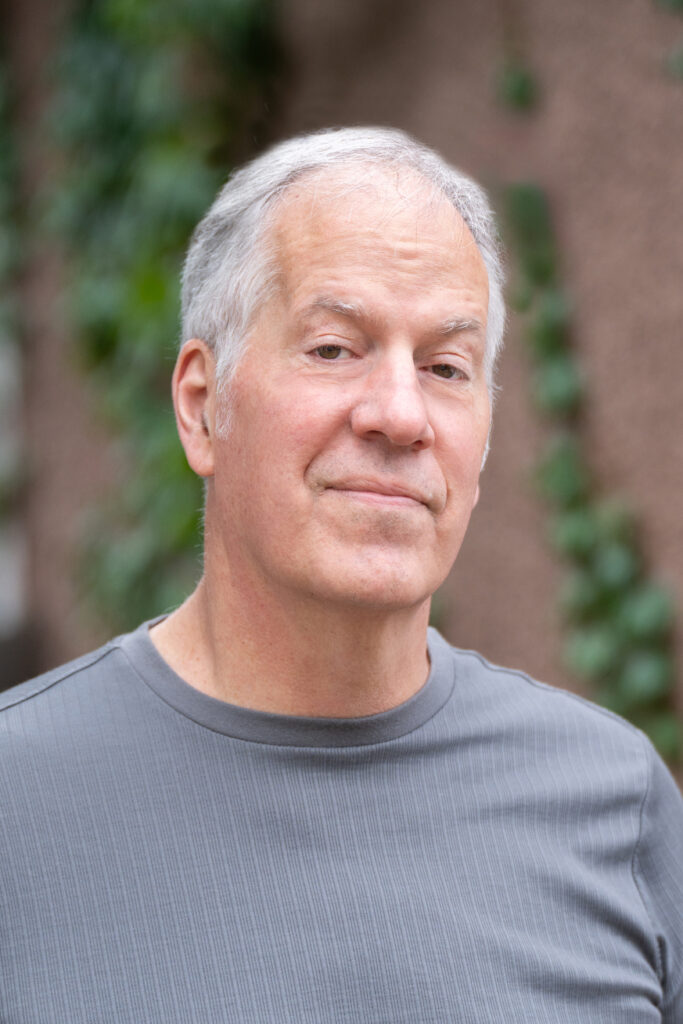
David Juehring DC, DACRB, CCSP, CSCS
Dynamic Neuromuscular Stabilization (DNS) perspective on the development, assessment and rehabilitative approach towards stability
Dynamic Neuromuscular Stabilization represents a unique approach to the human movement system, integrating neurology, developmental kinesiology, and clinical practice. It is based on the understanding that movement quality is not determined solely by muscles and joints, but primarily by how movement is controlled by the central nervous system. DNS translates these principles into specific assessment and therapeutic strategies. It utilizes natural movement patterns established during early development and reactivates them where they have been disrupted. The result is improved stability, coordination, and efficient movement without overload or pain
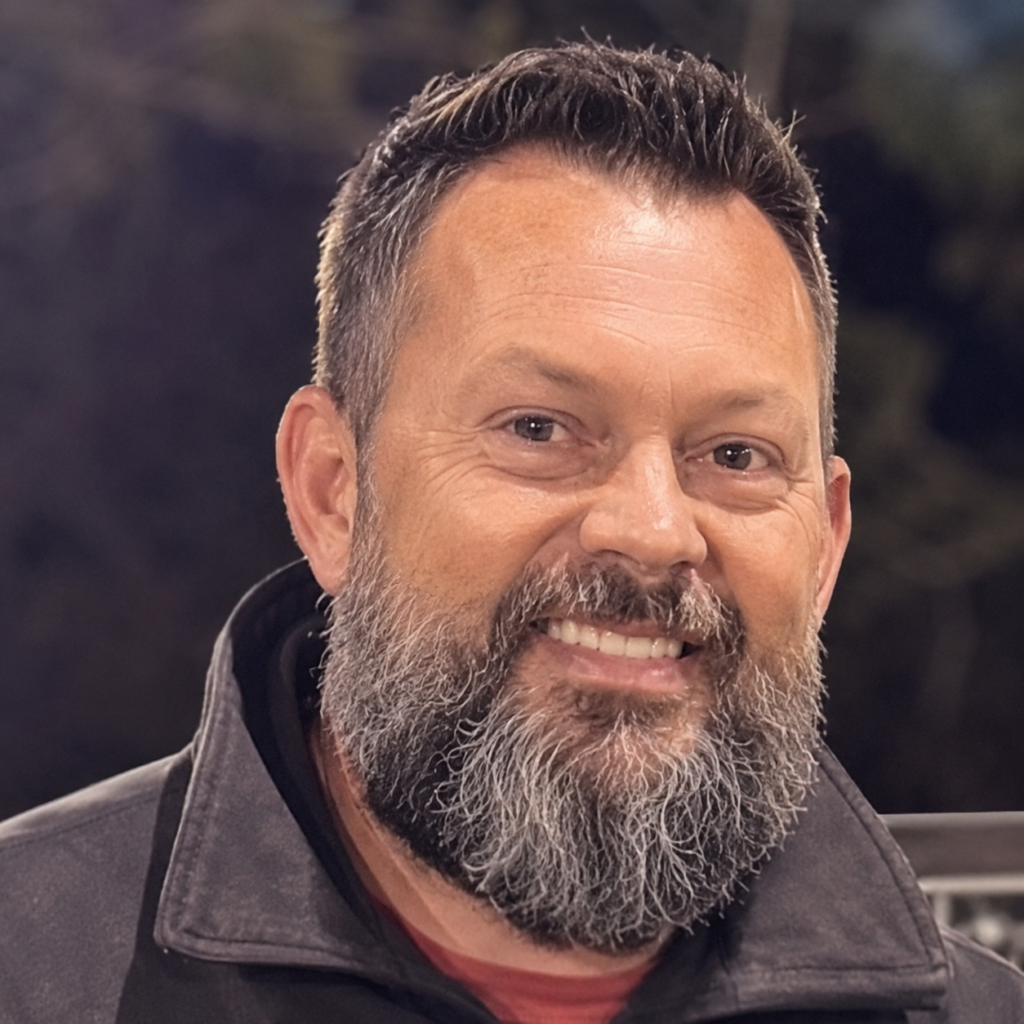
Trevor Shaw, DC, MS, DACRB, CSCS
Systematically Attacking the Shoulder
A contemporary, clinically focused approach to evaluating and managing shoulder dysfunction. Participants will use the CRISP framework to screen for red flags, identify likely pain generators, and recognize contributing factors such as cervical involvement, referred pain, neural irritation, impaired movement, and regional interdependence. The lecture will review shoulder anatomy, biomechanics, muscle function, examination strategies, common pathologies, postoperative precautions, and criteria-based rehabilitation progressions. Each two-hour session will include one hour of lecture followed by one hour of hands-on exercises emphasizing assessment, mobility, rotator cuff and scapular strengthening, neuromuscular control, closed-chain training, and functional rehabilitation progressions for clinical practice.